
Sports Medicine Hospital in Kurla, Mumbai
CritiCare Asia Hospitals, Kurla is a sports medicine hospital in Mumbai that treats ligament injuries, joint problems, and other sports-related musculoskeletal conditions across all age groups. Care runs from the sudden injury on the field to long-term performance conditioning. Each case is assessed individually, beginning with a detailed clinical examination and moving to imaging or specialised testing only where it is needed. Patients seeking sports injury treatment in Kurla, Mumbai move through clear stages: diagnosis, treatment, rehabilitation and, where relevant, performance follow-up, so the immediate injury is resolved, and the reason it keeps recurring is addressed.
Conditions We Treat
The department sees injuries of varying severity, from mild strains to damage that needs surgical repair.
- Ligament injuries
sprains and tears of the ACL, PCL, and MCL, from mild strains to complete ruptures that need surgical repair - Meniscus and cartilage injuries
tears from twisting or loading movements that affect how the joint moves and holds steady - Shoulder instability and rotator cuff injuries
recurrent dislocation and rotator cuff damage, common in throwing and overhead sports - Tendon injuries
Achilles tendinopathy, tennis elbow and other overuse tendon conditions - Muscle strains and tears
hamstring, calf and groin injuries, frequent in running and field sports - Stress fractures
linked to repetitive impact, particularly in distance runners - General sports injuries
other joint and soft tissue problems assessed through the same structured approach
Treatments & Procedures
Treatment depends on what the assessment finds. Sports injury specialists in Kurla, Mumbai offer the following:
- Diagnostic imaging
X-ray, MRI and ultrasound to confirm the extent and nature of an injury - Gait and biomechanical assessment
to see whether technique or an underlying imbalance is contributing to the injury - Arthroscopic surgery
minimally invasive repair and reconstruction across the knee, shoulder, hip, ankle, elbow and wrist - Platelet-rich plasma (PRP) injections
image-guided injections to support healing in soft tissue injuries that respond slowly - Shockwave therapy
for chronic tendon and soft tissue injuries that have not responded to conventional treatment - Sports physiotherapy and rehabilitation
assessment-led rehabilitation after injury or sports surgery - Performance and fitness testing
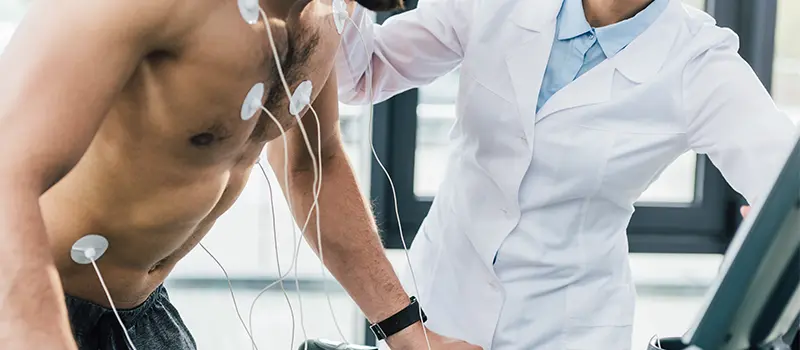
cardiovascular, strength and flexibility assessment to identify injury risk before it becomes an injury
Meet Our Specialists
The Sports Medicine team evaluates each case through detailed history-taking, physical examination and, where relevant, imaging or biomechanical assessment, before recommending a path. Findings are explained in plain terms. Decisions of sports medicine treatment rest on what each case needs, not a fixed protocol, whether that means conservative management, a minimally invasive procedure or referral into the department's rehabilitation and performance services.
Why Choose CritiCare Asia Hospitals, Kurla for Sports Medicine
Care here is built around finding the actual cause of an injury, not only treating the symptom. Two patients with similar pain can need very different treatment, so diagnosis relies on clinical examination as much as on imaging. Where conservative care is enough, it comes first. Where a procedure is genuinely needed, the reasoning is explained before any decision is made. The approach includes:
- Clinical evaluation, supported by imaging or biomechanical assessment where the case calls for it
- Conservative treatment as the first line of care for most sports injuries
- Arthroscopic surgery considered only when conservative treatment has not resolved the problem
- Rehabilitation coordinated with the treating team, not handled as a separate track
- Performance and injury-risk assessment for patients who want to train more safely
- Follow-up care to track recovery and catch recurring patterns early
- Costs and the insurance process explained before treatment begins
Book a Sports Medicine Consultation in Kurla
Many sports injuries respond better to early evaluation than to a wait-and-see approach. If an injury, joint pain, or a recurring strain is affecting your training or daily activity, book a consultation with sports medicine specialists in Kurla at CritiCare Asia Hospitals.