
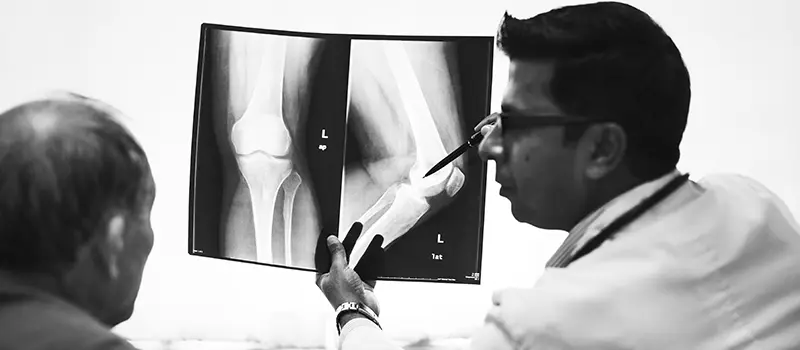
Interventional Radiology Hospital in Kurla, Mumbai
CritiCare Asia Hospitals, Kurla, is an interventional radiology hospital in Mumbai that treats conditions that would otherwise call for open surgery. Real-time imaging, whether ultrasound, CT, or X-ray, guides fine catheters and instruments through the body from a small entry point. The radiologist watches each instrument travel to the exact site that needs treatment. The Department of Interventional Radiology provides interventional radiology in Kurla, Mumbai as a minimally invasive option for vascular, cancer-related, and organ-specific problems.
Because the work goes through a tiny incision, patients usually have less pain and a shorter stay. Treatment that once meant admission and a long recovery can often be completed on a short-stay basis.
Conditions We Treat
The conditions below can be managed with interventional radiology treatment in Kurla, depending on the findings in each case.
Peripheral Artery Disease and Vascular Blockages
Angioplasty and stenting open narrowed or blocked arteries in the limbs and restore blood flow.Liver, Kidney and Other Tumours
When a tumour cannot be removed surgically, its blood supply can be cut off or treatment delivered directly to it.Blood Clots (DVT and Related Conditions)
Clot-dissolving procedures bring back normal flow and lower the risk of complications from deep vein thrombosis.Uterine Fibroids and Postpartum Haemorrhage
Blocking a fibroid's blood supply can spare the uterus in many cases, and the same method controls bleeding after childbirth.Bile Duct and Urinary Tract Obstructions
A blocked duct builds pressure quickly, and infection often follows. A drain placed under imaging relieves both without open surgery.Abscesses and Fluid Collections
Infected pockets deep in the body can usually be reached and drained with a needle, avoiding the operating theatre.Varicose Veins
Affected veins are sealed from the inside, easing discomfort and improving how the leg looks.Pericardial Effusion and Cardiac Tamponade
Fluid around the heart presses on it and can become dangerous fast. Draining it under imaging lets the heart work normally again.Pulmonary Embolism Risk
For patients who cannot take blood thinners, an IVC filter mechanically stops clots from reaching the lungs.Haemoptysis (Coughing Up Blood)
Bronchiectasis or tuberculosis can make vessels in the lungs bleed. Blocking the responsible vessel brings it under control.Suspicious Lung Nodules
A needle biopsy under CT or fluoroscopic guidance reaches a diagnosis without open surgery.Pleural Effusion, Empyema and Pneumothorax
A catheter placed under imaging drains fluid, infection or trapped air around the lungs and eases breathing.
Meet Our Specialists
The interventional radiologists in Kurla work alongside surgeons, oncologists and physicians to decide when a minimally invasive approach can safely replace open surgery. Each case is reviewed on its own. Whether the problem is a blocked artery, a tumour or an infected fluid collection, the same real-time imaging guides the work. Patients are evaluated before the procedure and monitored closely afterwards.
Why Choose CritiCare Asia Hospitals, Kurla, Mumbai for Interventional Radiology
Our interventional radiology team works with other departments, so the least invasive effective option is considered before major surgery. Every procedure is done under continuous imaging guidance. Before admission, the team also explains what the procedure involves and how the estimate and insurance process will work, in plain terms.
Imaging Guidance
Ultrasound, CT and fluoroscopy give the team a clear, live view during every procedure.Minimally Invasive Approach
Most procedures need only a small incision, which means less pain, less scarring and a quicker recovery.Cross-Specialty Work
The team handles vascular, cancer-related and organ-specific cases, not one narrow area.Shorter Hospital Stays
Long admission is not usually needed, so patients tend to return to routine sooner.
Book a Consultation
If you have been advised an interventional radiology procedure, or want to know whether a minimally invasive option exists for your condition, schedule a consultation with the interventional radiology specialists at CritiCare Asia Hospitals, Kurla, Mumbai.